How to Rezone Your Property | 7 Key Steps to Boost Value

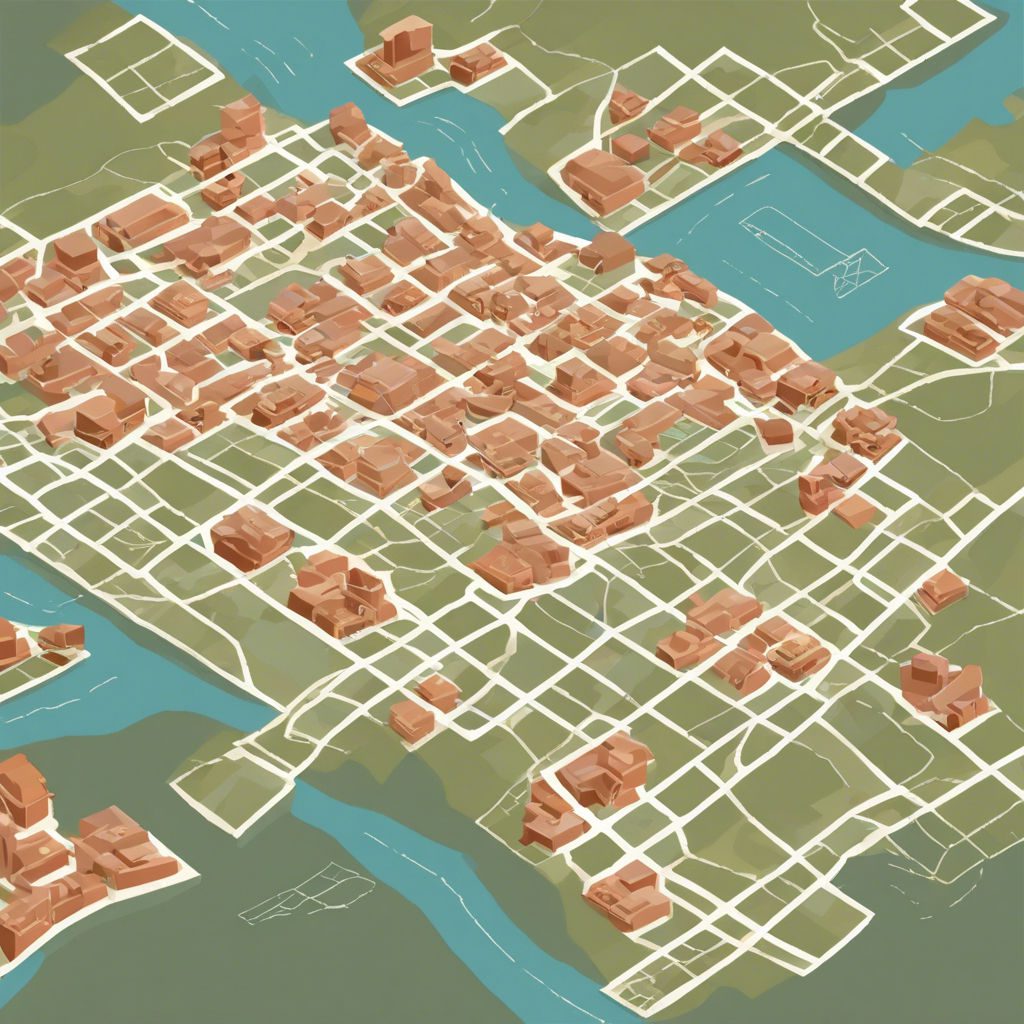
How to Rezone Your Property: A Step-by-Step Guide for Landowners Rezoning a property can open up new possibilities for landowners, from enabling construction projects to increasing property value. However, the process is often complex, involving legal, procedural, and community considerations. In this guide, we break down the steps needed to successfully rezone your land in the United States. It’s also a great strategy, if you can complete a rezoning of your property values can go through the roof in some cases. Imagine buying a residential property on a busy street, especially when commercial zoning is hard to find. If you can successfully take a residential lot and zone it to commercial, the value of the property and potential business buyers can up to 10x the value on that lot. What is Rezoning? Rezoning is the legal process of changing the designated use of a property as defined by your local zoning ordinance. Zoning categories typically include residential, commercial, industrial, agricultural, and mixed-use. Each category defines what you can and cannot do on the property. Why Rezone a Property? Landowners typically seek rezoning to: Rezoning allows you to align your land use goals with local development regulations. Step 1: Research Your Current Zoning Start by determining the current zoning classification of your property. You can: Understand what the current zoning allows and what restrictions apply. You should also know, some states and counties make the process easier than others. In some places, you have a very slim chance to re-zoning unless you have some power in the county such as a large company like Walmart for example. But in some counties, especially those trying to develop growth and grow population, they are more welcomed to the idea. A good example of this is land for sale in Arizona, due to the remote area, they are more open to growth by zoning. This is why some land buyers stick to certain areas where they know the county system and success rate. Step 2: Understand the Comprehensive Plan Every municipality has a comprehensive (or master) plan that outlines its long-term goals for growth and development. Your rezoning request must align with this plan. Most all counties have a zoning map in their GIS system. This master outline has a pattern to it, they typically pre-plan the city is this way and the zoning groups stick together in areas and that’s often seen on the map in color codes. There is sometimes flexibility in certain areas, but at the same time they will take it by a case by case basis. If your request contradicts the plan, you may need to also request a plan amendment, which is a more involved process. Step 3: Consult with Local Officials Before submitting an application, or maybe buying the land, schedule a pre-application meeting with the planning department. This: Officials can also provide informal feedback on how your request might be received by planning staff and local residents. Step 4: Submit Your Rezoning Application The formal application process usually involves: Some jurisdictions require notifying nearby property owners or posting signs on the site. And it’s best to get professional help and submit this perfectly from a lawyer or qualified group with a good success rate. Step 5: Attend Public Hearings Rezoning cases usually require at least one public hearing: Be prepared to: Community support or opposition can strongly influence the outcome. In most all cases they will send notification to all your neighboring residents about the hearing. Most people won’t show up or care, but you might get some strongly opposing resident show up. Step 6: Await the Final Decision After the hearings, the decision making body (usually the city council or county commission) votes to approve or deny the rezoning. Approval may come with conditions (e.g. specific landscaping, setback rules, or use limitations). If denied, you may: Step 7: Implement Your New Zoning Once approved, the new zoning designation is recorded in the official zoning map. Now you can: Note that zoning changes don’t override building codes, environmental regulations, or HOA rules. And you will probably need a new survey as each zoning law contains different set backs. Tips for Success Zoning can have some serious profit impacts and becomes some land buyers main strategy. Buying cheap land in a residential area and rezoning to commercial gives that property a rare characteristic. And with that, comes demand from buyers.