Imagine owning undeveloped land without a home, without hefty mortgages, and without the hassle of traditional housekeeping, yet still raking in an annual income of $100,000. It may sound unbelievable, but this is a genuine possibility for certain landowners thanks to a remarkable platform known as HipCamp. While hitting the $100,000 mark is an exceptional outcome, the typical host on this platform earns a solid income ranging from $8,000 to $15,000 annually. The best part? You don’t even need to provide amenities; all you need is your own parcel of land.
Rural property, like land, is defined as property located in unincorporated areas with a population density of fewer than 1000 people per square mile. These are often parcels of land well outside the main city, often called desert squares or just unimproved grassland.
In today’s fast-paced world, the concept of off-grid living is gaining momentum as people seek a simpler, more sustainable way of life. Living off the grid means disconnecting from traditional public utilities like electricity, water, and gas, and instead, relying on self-sufficient and renewable sources. While it may sound like a drastic change, there are numerous joys and perks that come with this lifestyle, offering a unique sense of freedom and harmony with nature and freedom.
Subdividing land is the process of dividing a single piece of property into two or more smaller parcels. This can be a complex process that requires careful planning and execution. Whether you are looking to subdivide land for development purposes, to create a family compound, or to sell off a portion of your property, there are many factors that must be considered. In this article, we will discuss the steps involved in subdividing land, as well as the legal and financial considerations that must be taken into account.
You’re cruising down the highway, wind in your hair, and adventure on your mind. No, you’re not in a sports car; you’re in your home-on-wheels, a recreational vehicle (RV). RVing, once considered a hidden gem, has burst onto the scene as the ultimate blend of thrill and comfort. But here’s the twist—finding a place to park this nomadic palace isn’t always a walk in the park. Still, the sheer delight of RVing makes every parking puzzle piece worth it.
Surprisingly, you can actually buy land with rights to use for a camping spot. Some offer long-term permits and some offer more of a short-term permit. But if you have ever tried to get away for a few days, finding a camping spot may be harder than you thought and super expensive. That’s why buying camping land might be a perfect idea.
Searching for the perfect home to purchase can be quite a daunting task. It may involve spending countless months browsing through online listings, attending open houses, and exploring different neighborhoods.
You’ve found the perfect plot to start investing in rural land. There’s just one problem: there are no utilities. No water, no electricity, no sewer or septic system. Now what? Don’t despair. It is possible to bring utilities to vacant land, but it will take some work, due diligence, and money. Keep reading to learn how to equip your vacant plot with all the essentials.
This question comes up often and for good reason, lots of people see opportunity owning land in California. Yes, some are unhappy with the politics, taxes and traffic, but boy does it have great weather, beaches, mountains and a nice cultural mix of people, which equals amazing food!
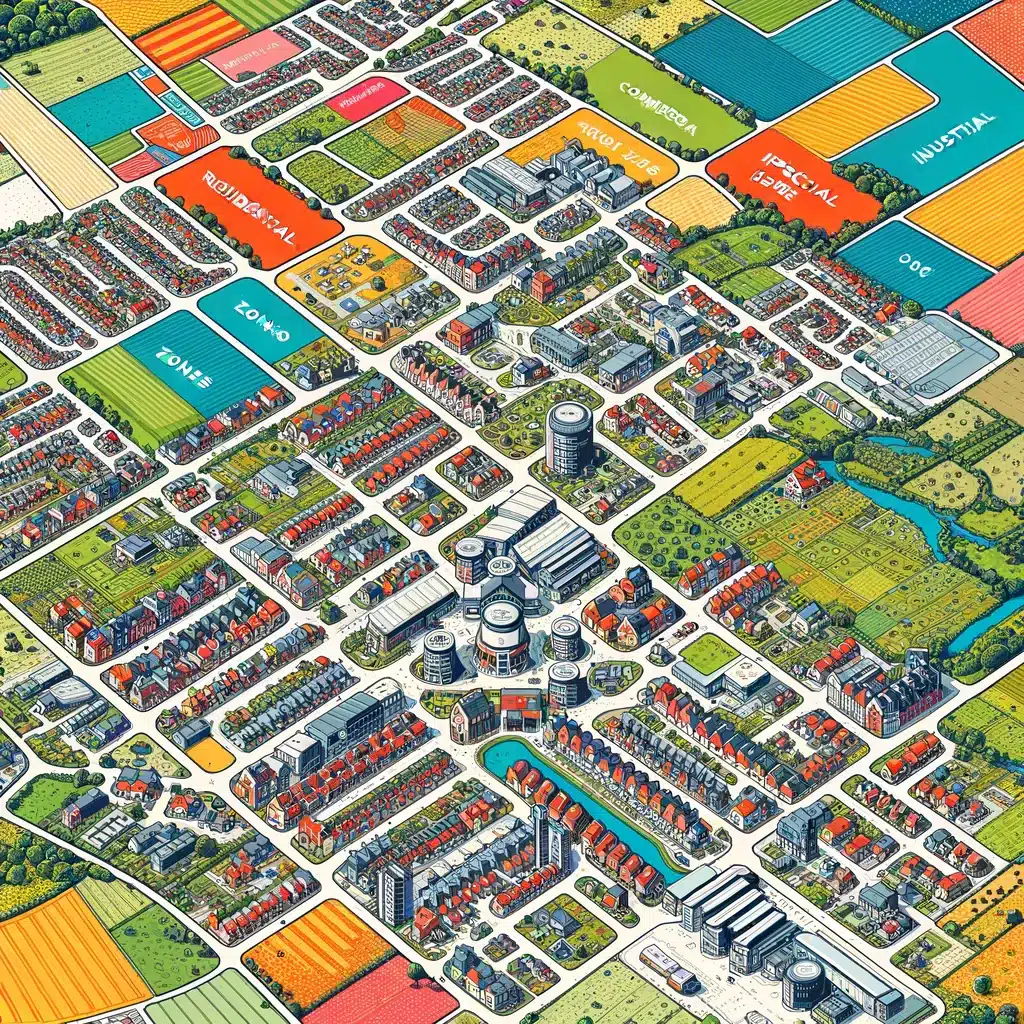
Understanding property types is essential for anyone involved in real estate, whether you’re a homeowner, investor, developer, or planner. In the United States. Properties are classified into various types based on their usage, zoning regulations, and the specifics of local ordinances. This article provides a detailed overview of the most common property types and zoning classifications, explaining what they mean and how they impact land use and development. It should be noted, this is a general guideline.