
Instantly Estimate Your Raw Lands Worth
Land Value Estimator
Disclaimer: The land values provided by this estimator are for informational purposes only and are based on state and national average land sale data. Estimates are generated using broad market trends, property characteristics, and average pricing adjustments from similar types of land. These values are intended as general guidance only and should not be considered an official appraisal, offer, or listing price.
Land values can vary significantly between counties, cities, and local markets, even for properties with similar size and features. Factors such as location, zoning, road access, utilities, terrain, development potential, market demand, and recent comparable sales can greatly impact actual property value.
Every parcel is unique. By using this tool, you acknowledge that the estimate is a general reference and not a substitute for professional appraisal, local market analysis, or real estate expertise.
Free Land Value Calculator
Estimate the value of your raw land instantly using state averages and property features.
ResidentialAgricultural
Commercial
How to use our Land Value Estimator
Found only on LandZero
State Section
This calculator uses state-level median land prices based on recent land sales across the U.S. Land values can vary dramatically between counties, even for properties with similar size and characteristics. In some cases, land in one county may be worth double or triple the price of similar land in another county due to demand, population growth, location, utilities, zoning, and development potential. Because of these differences, this tool provides general estimates using state averages rather than exact county-level pricing.
Size Selection
Larger acreage does not always mean higher value per acre. Smaller buildable lots in desirable areas can often sell for more than large rural parcels. Terrain, road access, utilities, usability, and local demand all play a major role in actual land value.
Property Zoning
This calculator uses broad zoning categories such as residential, agricultural, and commercial. Actual zoning rules and permitted uses vary by county and city, which can significantly affect value. Land with stronger development potential is often worth substantially more.
Characteristics
Property features such as road access, utilities, views, terrain, and improvements can impact land value. However, the effect of these features varies by county and local market conditions. This calculator applies general adjustments using nationwide patterns and state averages.
Next Steps to Refine Your Land’s Value
How can I find comparable land sales near my property?
To get a more accurate estimate, search for recently listed or sold land parcels near your property. Focus on properties within your county or zip code, as land prices vary significantly from one area to another. Use real estate platforms like Zillow, Realtor.com, Redfin, LandWatch, LandZero and Land.com to search by location. Enter your area, then narrow the search to lots or land only. Zillow is the best tool as it only lists MLS listings and has a draw tool to focus exactly on the area of your land
What filters should I use to make sure I’m only seeing land similar to mine?
Once on one of these platforms, set filters to “Lot/Land” as the property type. Then, use filters for acreage, price range, and optionally zoning keywords (like “Agricultural” or “Commercial”) to find parcels that most closely match yours. You can also draw a map boundary or use zip codes to stay local.
How do I know which listings are most comparable to mine?
Look for properties that match your land in size, location type (rural vs. urban), road access, zoning, terrain, and improvements like utilities or fencing. Proximity is key, focus on parcels within 10–20 miles in similar environments (e.g., mountainous, desert, suburban fringe). Avoid comparing land in entirely different counties, as pricing can change drastically. Read the listings to make sure they have similar features as yours.
Should I use active listings or sold listings for a better price estimate?
Sold listings give you the most accurate indication of what buyers are actually paying but be aware the sold listings may be very old and lower than your value today. Many platforms show recently sold land under a separate filter, use that if available. If you only have access to active listings, remember that some may be overpriced or sitting unsold, so use them as a general benchmark rather than a final value. Zillow is a good tool because it will list how many days the listing has been up. If something has been listed for over a year, than changes are the price is too high to find a buyer. You can sort by new listings first on Zillow once your narrow down your area.
How do factors in land condition, zoning, and improvements impact comparing property values?
Adjust your comparisons based on key differences. For example:
If your land lacks utilities, is uncleared, or landlocked, subtract value.
If it has views, road access, is buildable, or has improvements like a well or fence, add value.
Zoning is also critical: R-4 zoning (multi-family) may be worth more than R-1 (single-family only). Commercial zoning often has the highest potential value but varies widely.
- For best comaprarinson to land values in your area, you need to read each listing. Some will have improvements, some might have the same issues as yours and some will be closer to power or further away. Adjust for these variables as you narrow down your value.
Are there other sources I can use besides listing platforms?
Yes. Check your county assessor’s office or GIS portal, many counties list recent sale prices, parcel data, and zoning classifications. These are excellent resources for deeper research. You can also reach out to a local real estate agent who specializes in land sales for a professional opinion.
How do I sell my raw land?
Selling raw land involves a few key steps different from selling a home. First, gather important details: your parcel number (APN), zoning type, access status, size, and any improvements (utilities, well, fencing, etc.). Next, determine a fair price by comparing similar land for sale in your area, using the steps we gave you above.
You can then list the property on popular land selling platforms such as LandWatch or Land.com (costly). Or free to low listing costs on Facebook Marketplace, Craigslist, or popular real estate sites. When listing Include high quality photos, GPS coordinates, and honest details about the land’s condition. You can also work with a real estate agent who specializes in land, especially if the property is in a competitive or rural market.
To close the sale, you’ll typically use a title company or attorney, especially if the buyer is using financing. Offering owner financing can help attract more buyers. Be sure to clearly outline any restrictions, dues, or limitations associated with the land before entering a purchase agreement.
Search Available Land By Budget
Cheap Land For Sale
Explore land for sale by budget and find property that fits your financial goals. Whether you’re starting small, looking for affordable acreage, off-grid opportunities, or planning a long-term investment, we offer land at every price point. Browse listings organized by budget to make finding the right property simple, clear, and accessible for any buyer.






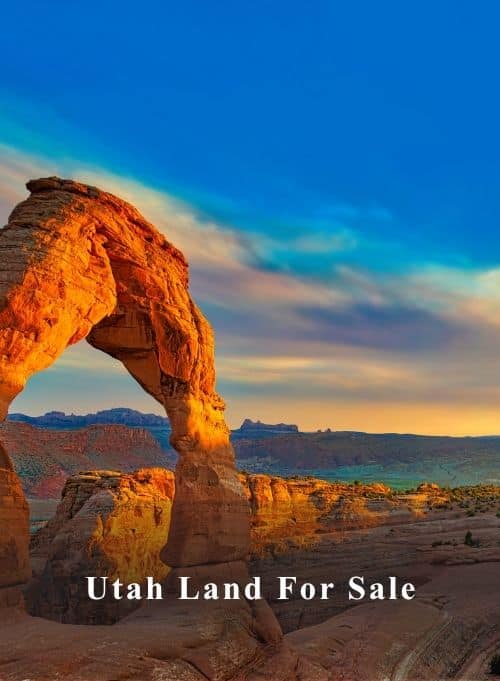
Search Available Land By State
Find Land Near You
Explore land for sale by state and find property where you want to own. Whether you’re looking for desert acreage, mountain land, off-grid property, cheap land for sale or a place for future investment, our listings are organized by locations or price to make searching simple and clear.