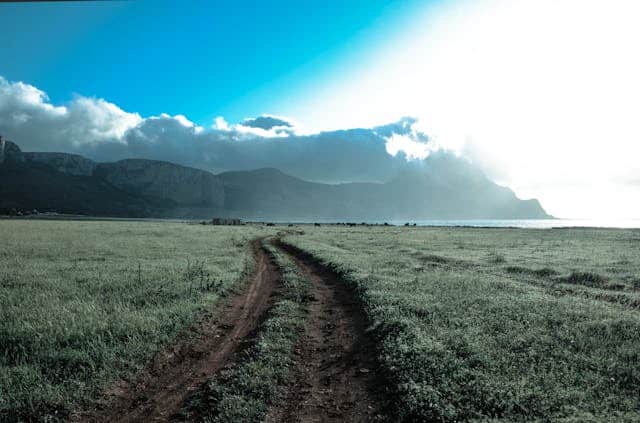
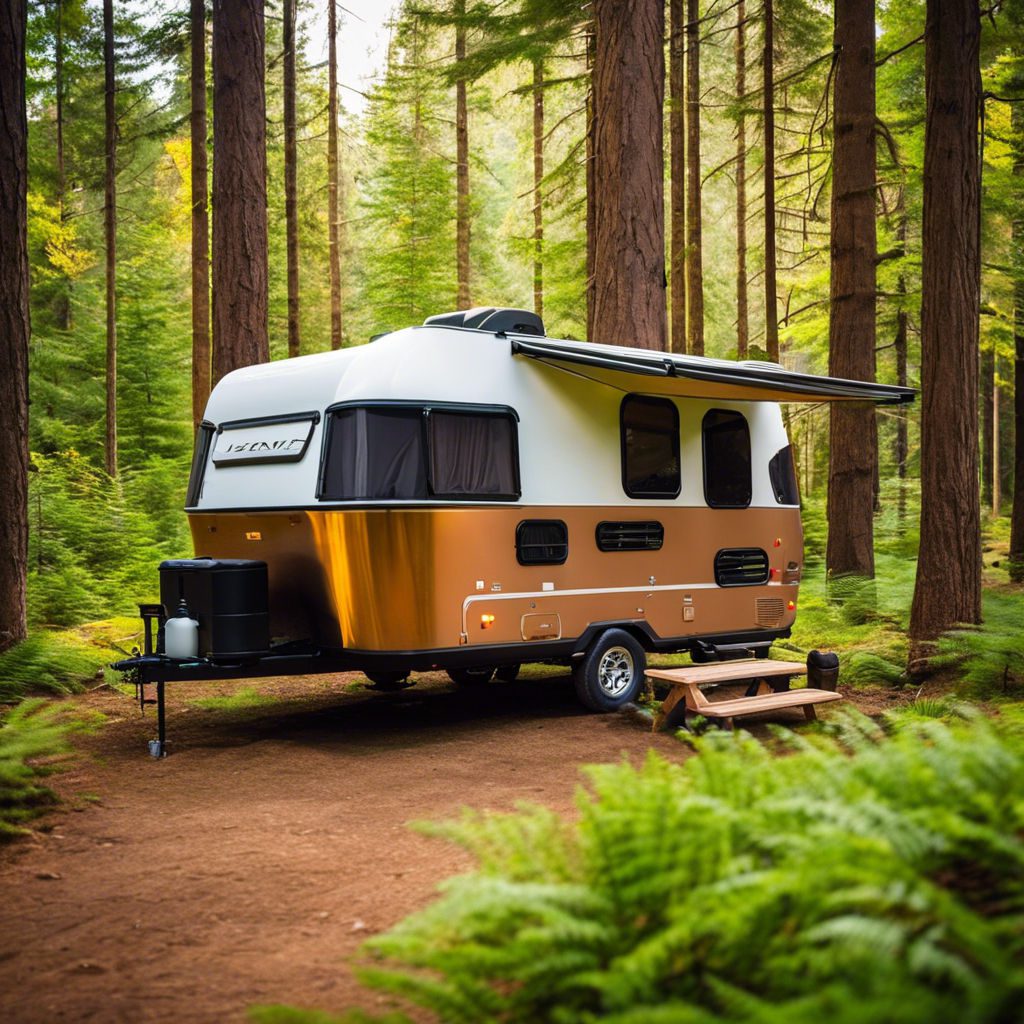
In 2018, I bought a remote 1.25 acre piece of land in Cochise County, Arizona for just around $3,000. At the time this was a going rate for most of the land there. People thought I was crazy, there was nothing on it. No power. No water. Just dirt, desert shrubs, and a lot of sun. Some friends and family said it was worthless land, but after you read this you’ll see that they were far from correct about that. My vision was clear, a campsite my friends and I could use without the hassle of park passes or high camping fees. And so, here’s my story on how I made that happen. I didn’t buy land to build a house. I bought it as a project for improvement, a campsite I could use and potential flip down the line. I figured, well, people buy junk homes and fix them. But what if I bought just blank land and turned it into an awesome campsite. I know I wanted a place I could retreat to on weekends, a set up no stress camping spot where I could take friends, make a fire, and enjoy the stars without hearing a single car. I gave myself a challenge: Make my land a super nice camping spot for under $1,000. Here’s how I pulled it off. The Budget Build Begins The parcel is in Cochise County, Arizona, which at the time was super cheap land. Most lots I looked at were in the $3k range so this wasn’t some rare lot, it was just how the area was at the time. It had no utilities, no neighbors but it was level and it did have a dirt road to it. The area allowed recreational camping, and as long as I’m not permanently living on it, I didn’t need permits for temporary improvements. Which made my low cost project possible. On a side note from our company, we still have some great lots in arizona, and it’s land under $5k <——— Click Here At first glance, it was just scrub brush and packed dirt, I did have a survey done to make sure all this was going to be done on my land and not the neighbors. But I could see the layout I wanted, a nice flat area I could camp on, trail to a small shed I could put out and there, campfire spot and positioned on the elevated land so we had a view of the mountains in the background. Overall, the vision was there that I had. And I had seen really cool camping spot ideas on the Hipcamp app for ideas. Step 1: Clearing the camping spot ($75) I didn’t rent any machines, it was mainly desert brush so I went full DIY with help from a good friend. I brought a machete, some garden tools, a thick metal rake and brought an old chainsaw just incase to dig down in the dirt. We cleared a 20×20-foot section of land, removing all shrubs, plants, rocks and raked it smooth. It took a weekend, some sore arms, and a lot of sunscreen. Tip: We learned quite quickly you should first mark out the square area with stakes and rope, otherwise you tend to go off the planned area. Step 2: Gravel for the Car Pad ($150) The dirt was fine in dry weather, but I wanted a stable place to park the car should heavy rains come. I had two yards of gravel delivered by a local guy who does side jobs in the area. I spread it by hand and edged it with scrap wood to make a nice parking area. It didn’t have much look to it and I was worried the wood alone wouldn’t hold it together, so we also stacked rocks we collected from the clearing to go around the scrap wood and gravel, which gave it a more car parking look and kept the wood in a stable spot. It works perfectly and looks great. Step 3: Fire Pit + Outdoor Cooking Setup ($40) The fire pit we wanted just outside the cleared zone and in the best spot for a view of the mountains. We made stepping stones and cleared a small trail to it and then cleared the pit area. I gathered large flat rocks from around the property and bought some bricks. I don’t know the cost of new bricks but we bought them from a guy that basically just wanted them removed for taking up space. I leveled the surrounding dirt, we dug out a good sized fire pit hole and lined the bricks to make a wall down in the pit. We packed it with watered down dirt and around the rim laid down the flat stones around it. We also found an old top to what must have been a huge grill on the offer up app, we lay this over the stones when we bbq and it works like a charm. One of the best Tri-Tip steaks we have had. Tip: Keep in Mind, a lot of the shrubs or desert plants we took out we later replanted in a thoughtfully designed way. Having a stylish garden look is usually costly, but we thought, why not use the free plants we have already. In this case we did a bit of a circular plant design that would go around the fire pit chairs, leaving the dirt area for the chairs around the pit and the plants surrounding the chairs. Step 4: Shade and Seating ($50) Arizona sun isn’t a joke. I picked up a huge tarp cover off Facebook Marketplace and strung it down so we could sit and relax in the cleared area over extending to cover the car as well. We put in the basic hook ups like dug holes with PVC pipes for the poles and metal rods for the ropes to hold it down. Stuff like seats, table set up and beer cooler
How to Rezone Your Property: A Step-by-Step Guide for Landowners Rezoning a property can open up new possibilities for landowners, from enabling construction projects to increasing property value. However, the process is often complex, involving legal, procedural, and community considerations. In this guide, we break down the steps needed to successfully rezone your land in the United States. It’s also a great strategy, if you can complete a rezoning of your property values can go through the roof in some cases. Imagine buying a residential property on a busy street, especially when commercial zoning is hard to find. If you can successfully take a residential lot and zone it to commercial, the value of the property and potential business buyers can up to 10x the value on that lot. What is Rezoning? Rezoning is the legal process of changing the designated use of a property as defined by your local zoning ordinance. Zoning categories typically include residential, commercial, industrial, agricultural, and mixed-use. Each category defines what you can and cannot do on the property. Why Rezone a Property? Landowners typically seek rezoning to: Rezoning allows you to align your land use goals with local development regulations. Step 1: Research Your Current Zoning Start by determining the current zoning classification of your property. You can: Understand what the current zoning allows and what restrictions apply. You should also know, some states and counties make the process easier than others. In some places, you have a very slim chance to re-zoning unless you have some power in the county such as a large company like Walmart for example. But in some counties, especially those trying to develop growth and grow population, they are more welcomed to the idea. A good example of this is land for sale in Arizona, due to the remote area, they are more open to growth by zoning. This is why some land buyers stick to certain areas where they know the county system and success rate. Step 2: Understand the Comprehensive Plan Every municipality has a comprehensive (or master) plan that outlines its long-term goals for growth and development. Your rezoning request must align with this plan. Most all counties have a zoning map in their GIS system. This master outline has a pattern to it, they typically pre-plan the city is this way and the zoning groups stick together in areas and that’s often seen on the map in color codes. There is sometimes flexibility in certain areas, but at the same time they will take it by a case by case basis. If your request contradicts the plan, you may need to also request a plan amendment, which is a more involved process. Step 3: Consult with Local Officials Before submitting an application, or maybe buying the land, schedule a pre-application meeting with the planning department. This: Officials can also provide informal feedback on how your request might be received by planning staff and local residents. Step 4: Submit Your Rezoning Application The formal application process usually involves: Some jurisdictions require notifying nearby property owners or posting signs on the site. And it’s best to get professional help and submit this perfectly from a lawyer or qualified group with a good success rate. Step 5: Attend Public Hearings Rezoning cases usually require at least one public hearing: Be prepared to: Community support or opposition can strongly influence the outcome. In most all cases they will send notification to all your neighboring residents about the hearing. Most people won’t show up or care, but you might get some strongly opposing resident show up. Step 6: Await the Final Decision After the hearings, the decision making body (usually the city council or county commission) votes to approve or deny the rezoning. Approval may come with conditions (e.g. specific landscaping, setback rules, or use limitations). If denied, you may: Step 7: Implement Your New Zoning Once approved, the new zoning designation is recorded in the official zoning map. Now you can: Note that zoning changes don’t override building codes, environmental regulations, or HOA rules. And you will probably need a new survey as each zoning law contains different set backs. Tips for Success Zoning can have some serious profit impacts and becomes some land buyers main strategy. Buying cheap land in a residential area and rezoning to commercial gives that property a rare characteristic. And with that, comes demand from buyers.
Clearing land is a significant task that requires proper planning, the right equipment, and attention to detail. Whether you’re preparing land for construction, farming, or resale, following these steps ensures a smooth process.
Buying property in Hawaii is a dream for many, but it’s essential to understand the unique real estate landscape before making a purchase. From leasehold vs. fee simple ownership to high maintenance costs and zoning restrictions, these factors can impact your investment and long-term plans.
Aircrete is revolutionizing the DIY home-building industry by offering an affordable, lightweight, and highly insulating material. Whether you want to build a small backyard studio or a full-sized home, aircrete provides a simple and sustainable option.
Imagine owning undeveloped land without a home, without hefty mortgages, and without the hassle of traditional housekeeping, yet still raking in an annual income of $100,000. It may sound unbelievable, but this is a genuine possibility for certain landowners thanks to a remarkable platform known as HipCamp. While hitting the $100,000 mark is an exceptional outcome, the typical host on this platform earns a solid income ranging from $8,000 to $15,000 annually. The best part? You don’t even need to provide amenities; all you need is your own parcel of land.
In today’s fast-paced world, the concept of off-grid living is gaining momentum as people seek a simpler, more sustainable way of life. Living off the grid means disconnecting from traditional public utilities like electricity, water, and gas, and instead, relying on self-sufficient and renewable sources. While it may sound like a drastic change, there are numerous joys and perks that come with this lifestyle, offering a unique sense of freedom and harmony with nature and freedom.
Subdividing land is the process of dividing a single piece of property into two or more smaller parcels. This can be a complex process that requires careful planning and execution. Whether you are looking to subdivide land for development purposes, to create a family compound, or to sell off a portion of your property, there are many factors that must be considered. In this article, we will discuss the steps involved in subdividing land, as well as the legal and financial considerations that must be taken into account.
You’re cruising down the highway, wind in your hair, and adventure on your mind. No, you’re not in a sports car; you’re in your home-on-wheels, a recreational vehicle (RV). RVing, once considered a hidden gem, has burst onto the scene as the ultimate blend of thrill and comfort. But here’s the twist—finding a place to park this nomadic palace isn’t always a walk in the park. Still, the sheer delight of RVing makes every parking puzzle piece worth it.
I’ve heard so many people say, you can make money on a rental home but raw land is an asset that doesn’t make money. Well, a ton of people make money on raw land and they don’t have the issues someone with a rental does. It takes some creativity and some decent land but you can turn your raw land into a cash cow.