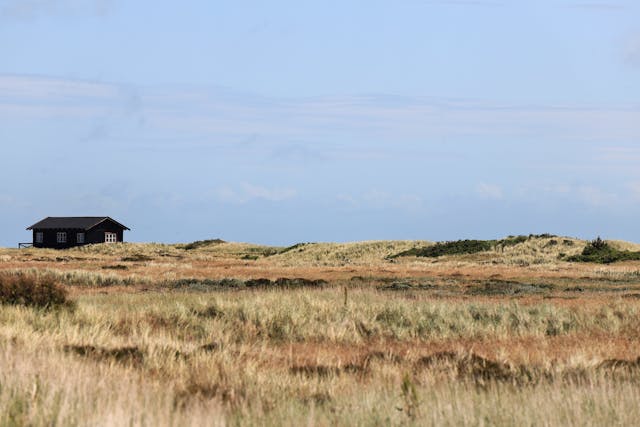
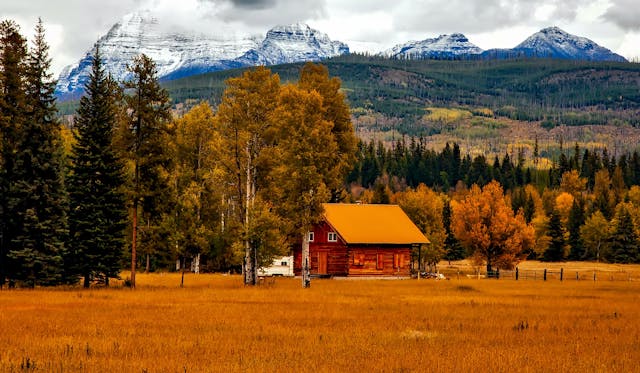
In 2018, I bought a remote 1.25 acre piece of land in Cochise County, Arizona for just around $3,000. At the time this was a going rate for most of the land there. People thought I was crazy, there was nothing on it. No power. No water. Just dirt, desert shrubs, and a lot of sun. Some friends and family said it was worthless land, but after you read this you’ll see that they were far from correct about that. My vision was clear, a campsite my friends and I could use without the hassle of park passes or high camping fees. And so, here’s my story on how I made that happen. I didn’t buy land to build a house. I bought it as a project for improvement, a campsite I could use and potential flip down the line. I figured, well, people buy junk homes and fix them. But what if I bought just blank land and turned it into an awesome campsite. I know I wanted a place I could retreat to on weekends, a set up no stress camping spot where I could take friends, make a fire, and enjoy the stars without hearing a single car. I gave myself a challenge: Make my land a super nice camping spot for under $1,000. Here’s how I pulled it off. The Budget Build Begins The parcel is in Cochise County, Arizona, which at the time was super cheap land. Most lots I looked at were in the $3k range so this wasn’t some rare lot, it was just how the area was at the time. It had no utilities, no neighbors but it was level and it did have a dirt road to it. The area allowed recreational camping, and as long as I’m not permanently living on it, I didn’t need permits for temporary improvements. Which made my low cost project possible. On a side note from our company, we still have some great lots in arizona, and it’s land under $5k <——— Click Here At first glance, it was just scrub brush and packed dirt, I did have a survey done to make sure all this was going to be done on my land and not the neighbors. But I could see the layout I wanted, a nice flat area I could camp on, trail to a small shed I could put out and there, campfire spot and positioned on the elevated land so we had a view of the mountains in the background. Overall, the vision was there that I had. And I had seen really cool camping spot ideas on the Hipcamp app for ideas. Step 1: Clearing the camping spot ($75) I didn’t rent any machines, it was mainly desert brush so I went full DIY with help from a good friend. I brought a machete, some garden tools, a thick metal rake and brought an old chainsaw just incase to dig down in the dirt. We cleared a 20×20-foot section of land, removing all shrubs, plants, rocks and raked it smooth. It took a weekend, some sore arms, and a lot of sunscreen. Tip: We learned quite quickly you should first mark out the square area with stakes and rope, otherwise you tend to go off the planned area. Step 2: Gravel for the Car Pad ($150) The dirt was fine in dry weather, but I wanted a stable place to park the car should heavy rains come. I had two yards of gravel delivered by a local guy who does side jobs in the area. I spread it by hand and edged it with scrap wood to make a nice parking area. It didn’t have much look to it and I was worried the wood alone wouldn’t hold it together, so we also stacked rocks we collected from the clearing to go around the scrap wood and gravel, which gave it a more car parking look and kept the wood in a stable spot. It works perfectly and looks great. Step 3: Fire Pit + Outdoor Cooking Setup ($40) The fire pit we wanted just outside the cleared zone and in the best spot for a view of the mountains. We made stepping stones and cleared a small trail to it and then cleared the pit area. I gathered large flat rocks from around the property and bought some bricks. I don’t know the cost of new bricks but we bought them from a guy that basically just wanted them removed for taking up space. I leveled the surrounding dirt, we dug out a good sized fire pit hole and lined the bricks to make a wall down in the pit. We packed it with watered down dirt and around the rim laid down the flat stones around it. We also found an old top to what must have been a huge grill on the offer up app, we lay this over the stones when we bbq and it works like a charm. One of the best Tri-Tip steaks we have had. Tip: Keep in Mind, a lot of the shrubs or desert plants we took out we later replanted in a thoughtfully designed way. Having a stylish garden look is usually costly, but we thought, why not use the free plants we have already. In this case we did a bit of a circular plant design that would go around the fire pit chairs, leaving the dirt area for the chairs around the pit and the plants surrounding the chairs. Step 4: Shade and Seating ($50) Arizona sun isn’t a joke. I picked up a huge tarp cover off Facebook Marketplace and strung it down so we could sit and relax in the cleared area over extending to cover the car as well. We put in the basic hook ups like dug holes with PVC pipes for the poles and metal rods for the ropes to hold it down. Stuff like seats, table set up and beer cooler
In today’s world of tight lending standards and rising interest rates, securing a traditional land loan can be nearly impossible for many buyers. Banks and large financial institutions typically require high credit scores, extensive paperwork, and often a sizable down payment. Even many owner-financed land deals include a credit check and place a lien on your credit report to ensure timely payments. For those with low or no credit, these barriers can make land ownership feel out of reach. That’s where the opportunity of buying land no credit comes in as a powerful shortcut in the world of real estate. ✅ Key Takeaways: Buying land with no credit is more accessible than ever, with online platforms and owner-financed options removing the need for traditional credit checks. TL;DR: This guide shows how to buy land with no credit using seller-financed options. It’s a shortcut to land ownership, no bank needed, no credit score required. Why Buying Land with No Credit Is a Smart Move The concept of buying land no credit provides a game changing solution for those to enter the real estate game. As they are considered underserved by traditional financial systems. With no need for a high credit score, the door opens to people who are self employed, have gone through bankruptcy, too many missed payments, or simply don’t use credit regularly enough to build it. Many conventional paths to land ownership come with red tape, delays, and endless rejection. But by sidestepping banks and credit checks, you can access property faster, easier, and with greater peace of mind. It’s an ideal option for individuals who are financially responsible but may not fit the narrow definition of a “prime borrower.” If you’re unfamiliar with how credit works or how it can impact your future goals, take a look at the official US consumer finance article here: What is a Credit Score A Real Estate Shortcut: Buying Land Online A true real estate shortcut is taking advantage of platforms that let you buy land online without the credit obstacles. At LandZero, for example, we own 100% of the land we sell. This means we act as our own bank, offering flexible monthly payment plans without the need to pull your credit or place a lien on it. If you have poor credit, or no credit at all, you will still be approved. This model offers more than just convenience; it provides access to a real, tangible asset. Buying land no credit is one of the few ways to own appreciating property with little upfront risk. It’s a rare gateway to long term financial security. The Benefits of Owning Land When you choose the buying land no credit method, you’re not just avoiding banks, you’re investing in something solid. Land ownership as an entry into asset diversification offers numerous advantages: These benefits make land one of the most stable and rewarding investments available, especially for those looking for ways to secure their future without relying on traditional finance, or complete rejection into real estate ownership. Understanding How No Credit Land Deals Work & Common Misconceptions Many people assume that buying land no credit must be risky or too good to be true. In reality, the process is straightforward and secure when working with reputable sellers. These deals often involve seller financing, where the landowner holds the loan instead of a bank. A land purchase agreement is signed outlining the payment plan, and ownership is transferred once the land is paid off. There is no need for a credit check, and buyers aren’t penalized for their financial past. It’s a legitimate path to ownership, not a loophole or scam. The expected requirement is that you make your payments as the company who owns the land has not choice but to default and take the land back should you not pay on it. Comparing Buying Land No Credit vs. Traditional Financing When comparing buying land no credit to traditional bank financing, the differences are clear: For buyers who are eager to secure land without financial red tape, the no credit route is often the better, faster, and less stressful option. If you’ve struggled with loan denials or poor credit scores, don’t give up on your dreams of land ownership. Buying land with no credit is not just possible; it’s practical, attainable, and increasingly popular. Platforms like LandZero are making this a reality for everyday buyers across the country. The path to ownership no longer requires jumping through hoops. With the right strategy, you can skip the credit check, start small with cheap land for sale, and grow your investment with confidence. It’s time to stop letting your credit score hold you back if you want to start building your future with real estate. Explore our listings and see how easy it is to start buying land no credit today: See Land for sale in America We have a new page as well for foreigners with questions on buying land in America that has been generated in the AI space, check it out. How to Buy Cheap Land in America
Escape rising costs and live on your own terms with affordable off-grid land. This guide reveals the top 10 U.S. locations where you can buy land for under $10K and build a self-sufficient future.
Buying Land in Colorado offers a lot of opportunity if you know what to look out for. This guide shares eight important tips to help you make a smart, informed decision when buying land in the state.
Finding the cheapest land in a state is a strategy many land investors use to capitalize on undervalued land to flip or hold a couple years for a nice return. While some land is at full value, there’s always some place in a state that hasn’t reached its full potential. Land in these spots is usually fire sold or easy to offer below value bids with motivated sellers. What the sellers don’t realize is that the land they are holding happens to be the lowest in the state, which often draws many buyers eventually and once these investros flip for higher the area in full sees values rise. Finding the cheapest land in a state is an online process you will learn today, but there’s also an important strategy to make sure the land isn’t cheap for a reason. You want to find the ones with potential and value return, which we will go over here. With the right tools and a sharp eye, you can uncover incredible land deals while avoiding money pits. This guide shows you exactly how. How To Find the Cheapest Land in Your State Using Online tools Step 1: Use Zillow’s Map Tool to Draw Target Zones Start by visiting Zillow and use the selector to only focus on land, removing all home options. Now, you want to start a narrow down process by selecting your target state. Use the “Draw” tool to circle the whole state you are interested in. Then: This helps you identify where the cheapest land clusters. Step 2: Refine the Circle Tool to Zoom In on Cheapest Clusters After spotting the general area with the cheapest listings, use the draw tool again, this time focusing on a tighter radius around those listings. They are always grouped together as the area is low cost all together in an area vs. other areas. This step reveals the true low-cost pockets within the state. Step 3: Analyze Listings for Hidden Red Flags Cheap land isn’t always good land. Common red flags include: You can do this quite easily by reading the listings, if it has an HOA then avoid it. The value usually won’t change with land like this as long term people don’t want to pay HOA dues, so the land will remain cheap. You can also use county GIS maps or contact the assessor to confirm access and zoning. Some land you cannot access, there’s simply no road to the area and with zoning, sometimes building is blocked by the county for various reasons. Some also have environmental issues, completely flooded wetlands land will never grow in value as you can’t do anything with it. So, if this is your results it’s time to start back over at step 1, now you’re looking for the second cheapest land in the state. You want to do this process till you find good standing land, buildable, accessible and without HOA dues. Step 4: Research the Area for Long-Term Potential Once you found the cheapest land with the qualifications mentioned in step 3 it’s time to research its potential. Cheap doesn’t mean worthless, it’s simply a price point, but for the greatest potential land add these qualifications to your search for the best chance of increased value over time. Free tools like Google Earth, Redfin, and public tax databases help validate your area. If you start to see that the area is developing a bit, the land is still low cost but growing slightly in value then it’s usually a good start. You can look under sold instead of for sale to see past values. At LandZero we have used this strategy for ages. Our customers throughout the years have seen major increase in value due to our ways to research land. We know the potential of the area, we know the prices and see value in that area over time. If you want some good examples visit our Land in America For Sale Step 5: Establish the Average Price Per Acre Use listings in your narrowed zone to calculate: This will give you a price benchmark and identify what’s actually a good deal versus just the cheapest land. If the acreage is super small then it’s cheap because of that, some large acre lots might be way cheaper by average cost per acre. People like large parcels of land, you have a better chance of gain with a 1 acre lot vs a 6000 sqft lot. Step 6: Set Alerts for Fire Sales and New Listings Use platforms like: Create alerts with your filters so you’re notified the moment a new listing hits your price range. Fire sales, estate sales, or out of state owners often price land to move fast. Being on top of new listings first might give you the jump on a fire sale in the area with the cheapest land for the ultimate immediate value upon ownership. Step 7: Make Aggressive Offers to Undercut the Market Once you know the average value, target listings that: Offer below the average and do it in bulk, many sellers take lower offers if they just want it gone. This won’t usually work for homes but for land it does, some just want it off their list so they don’t have to pay annual taxes anymore. If you have notifications on just send a 50% offer each time till someone bites. With these steps, you can start owning land for the best price possible in an area with great potential. In some cases you can make 300% or more just holding a couple years. These areas are often targeted eventually, people like cheap land prices and once the area is focused on by land buyers the value quickly goes up.
5 Key Signs You Should Sell or Hold Your Land Now If you’ve owned a parcel of land for a while, you’ve likely received unsolicited offers to buy it, especially during these times of inflation or economic uncertainty where land values are good and buying is hot. People started to see land as an asset to hold, especially those abroad. It gives them the opportunity for a strong real estate legal system, dollar stability away from their local currency, and still quite affordable. But for those holding land, is now truly the right time to sell, or if you should wait and hold out for bigger potential gains? Selling land isn’t always a clear cut decision, it’s a personal circumstance decision. But market timing, nearby development, and your personal financial goals all play a role. Here are five powerful signs to help you decide whether to sell your land now, or hold onto it for the future. 1. Nearby Development Is Getting Closer If you’re seeing roads being widened, power lines going up, or housing developments creeping toward your area, this could be a prime time to hold. When development reaches your parcel, or gets close the land values often spike way beyond what you’d expect. Have you ever seen city lots selling for $100k plus, sometimes in the millions. Well, someone held strong on that land during its low value days, they watched others sell their land and the area developed. Leaving them with a rare asset within the area now, if anyone wants to buy land and build their options are few and far between. Leaving the land owner with a prime valued parcel. Sometimes it takes years, and maybe even something they had to pass down till it happened. But in the right situation it could create major value for your family. However, if development is simply not happening and you’ve held it a long time, selling now might make more sense if you need the cash. Especially if you can reinvest in a more promising location. As of 2025, if you have just held for a good 3-4 years, there’s a good chance you’re at least 300% up on your value. That’s worlds better than a 401k does, so cashing out isn’t a terrible idea. What to look for: Zoning changes or county meetings about growth New utility access (water, sewer, electric) Nearby homebuilders starting subdivisions 2. Land Values Have Spiked Land is often considered a hedge against inflation. Over the past few years, land values in many areas have risen sharply as people look for alternative investments beyond stocks or traditional real estate. If your land has doubled or tripled in value and you’re not planning to build or use it, now might be the most profitable time to sell. Prices can flatten or decline when interest rates lower or the economy cools. Land is considered a secondary investment, not a primary living space. In times of a downturn, people tend to sell their secondary assets. And the market gets flooded with sales, dropping the values back down. So, if you’re looking for peak value maybe this is the top and you can re-invest during a downturn. But you never know the market, maybe prices continue to rise. It’s always a guess of course. Tip: Use recent sales or get a no pressure quote from a reputable land buyer or agent to gauge value. If you don’t understand how what impacts land values there is a great guide from Investopedia here Land Values 3. You’re Paying Taxes But Not Using the Land One of the simplest signs, your land is costing you a lot of money every year, and not returning anything. Annual property taxes, HOA dues, or weed abatement fees add up, especially on remote or non-buildable land. If you’re holding land where the full annual cost is cheap, $50 a year or something, then it’s nothing to just hold the land long term. But some people, especially within HOA’s could be holding land for annual costs in the thousands. The longer you pay this, you are simply deducting from the profit in the future. You may even go negative on it. If you’ve had it for years with no use, no access, or no realistic future plans, it might be time to cash out and let go of the maintenance headache. Holding a high HOA due property is only good if you plan to build, they rarely go up in value as most don’t want them long term, just builders. 4. Zoning and Access Limit Future Use Some land seems promising, until you dig into the zoning or access. If your land is zoned agricultural, flood-prone, or restricted from building, that could seriously cap future value. Some areas are not buildable and if it doesn’t look like anything will change, it just won’t go up in value. Yes, you could hold till it does become accessible, but sometimes it doesn’t. Issues like lack of firetruck access or land erosion will often have a no build rule, the land might not have the qualities to hold a building. That doesn’t look good for the future, although it’s usually sellable as someone is always willing to take the risk of holding it. Likewise, landlocked parcels with no legal access may look great on a map but be difficult to use or sell. In these cases, waiting doesn’t always make the land more valuable. You may even have to take a loss on these but at least you won’t have to pay annual taxes anymore. If you’ve confirmed through the county that development will be tough or impossible, selling might be the smartest move. 5. Your Financial Priorities Have Changed Life circumstances evolve and so do investment goals. Whether you: Have an emergency Need funds for retirement Want to start a business Pay down debt …selling a piece of idle land can be a strategic way to free up capital without touching your primary assets.
How to Rezone Your Property: A Step-by-Step Guide for Landowners Rezoning a property can open up new possibilities for landowners, from enabling construction projects to increasing property value. However, the process is often complex, involving legal, procedural, and community considerations. In this guide, we break down the steps needed to successfully rezone your land in the United States. It’s also a great strategy, if you can complete a rezoning of your property values can go through the roof in some cases. Imagine buying a residential property on a busy street, especially when commercial zoning is hard to find. If you can successfully take a residential lot and zone it to commercial, the value of the property and potential business buyers can up to 10x the value on that lot. What is Rezoning? Rezoning is the legal process of changing the designated use of a property as defined by your local zoning ordinance. Zoning categories typically include residential, commercial, industrial, agricultural, and mixed-use. Each category defines what you can and cannot do on the property. Why Rezone a Property? Landowners typically seek rezoning to: Rezoning allows you to align your land use goals with local development regulations. Step 1: Research Your Current Zoning Start by determining the current zoning classification of your property. You can: Understand what the current zoning allows and what restrictions apply. You should also know, some states and counties make the process easier than others. In some places, you have a very slim chance to re-zoning unless you have some power in the county such as a large company like Walmart for example. But in some counties, especially those trying to develop growth and grow population, they are more welcomed to the idea. A good example of this is land for sale in Arizona, due to the remote area, they are more open to growth by zoning. This is why some land buyers stick to certain areas where they know the county system and success rate. Step 2: Understand the Comprehensive Plan Every municipality has a comprehensive (or master) plan that outlines its long-term goals for growth and development. Your rezoning request must align with this plan. Most all counties have a zoning map in their GIS system. This master outline has a pattern to it, they typically pre-plan the city is this way and the zoning groups stick together in areas and that’s often seen on the map in color codes. There is sometimes flexibility in certain areas, but at the same time they will take it by a case by case basis. If your request contradicts the plan, you may need to also request a plan amendment, which is a more involved process. Step 3: Consult with Local Officials Before submitting an application, or maybe buying the land, schedule a pre-application meeting with the planning department. This: Officials can also provide informal feedback on how your request might be received by planning staff and local residents. Step 4: Submit Your Rezoning Application The formal application process usually involves: Some jurisdictions require notifying nearby property owners or posting signs on the site. And it’s best to get professional help and submit this perfectly from a lawyer or qualified group with a good success rate. Step 5: Attend Public Hearings Rezoning cases usually require at least one public hearing: Be prepared to: Community support or opposition can strongly influence the outcome. In most all cases they will send notification to all your neighboring residents about the hearing. Most people won’t show up or care, but you might get some strongly opposing resident show up. Step 6: Await the Final Decision After the hearings, the decision making body (usually the city council or county commission) votes to approve or deny the rezoning. Approval may come with conditions (e.g. specific landscaping, setback rules, or use limitations). If denied, you may: Step 7: Implement Your New Zoning Once approved, the new zoning designation is recorded in the official zoning map. Now you can: Note that zoning changes don’t override building codes, environmental regulations, or HOA rules. And you will probably need a new survey as each zoning law contains different set backs. Tips for Success Zoning can have some serious profit impacts and becomes some land buyers main strategy. Buying cheap land in a residential area and rezoning to commercial gives that property a rare characteristic. And with that, comes demand from buyers.
Clearing land is a significant task that requires proper planning, the right equipment, and attention to detail. Whether you’re preparing land for construction, farming, or resale, following these steps ensures a smooth process.
Buying property in Hawaii is a dream for many, but it’s essential to understand the unique real estate landscape before making a purchase. From leasehold vs. fee simple ownership to high maintenance costs and zoning restrictions, these factors can impact your investment and long-term plans.
Aircrete is revolutionizing the DIY home-building industry by offering an affordable, lightweight, and highly insulating material. Whether you want to build a small backyard studio or a full-sized home, aircrete provides a simple and sustainable option.